LAW SUPPORT

Belgium Digital Nomad Visa (2026)

Does Belgium offer a digital nomad visa? Not yet — but there are several practical alternatives for remote workers, freelancers, and location-independent professionals who want to live and work from Belgium.
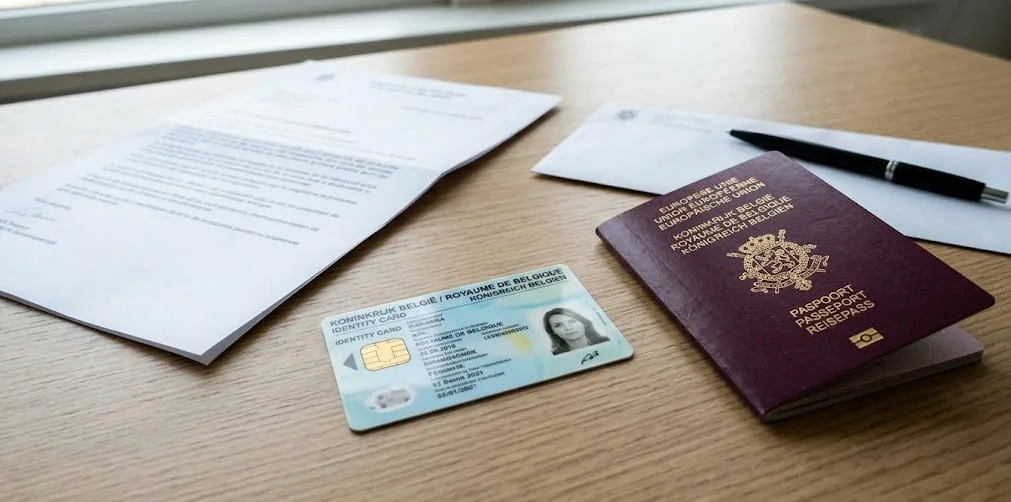
Digital nomad working remotely from Belgium

Belgium does not have a dedicated digital nomad visa — unlike Portugal, Spain, Estonia, or Croatia which have introduced specific programmes for remote workers. However, if you want to live and work remotely from Belgium, several practical pathways exist. This guide explains your options, the legal implications, and how to set yourself up properly. For full visa information, see our residence permit guide.

The Current Situation (2026)

Belgium has not introduced a digital nomad visa and there are no official plans to do so. The Belgian immigration framework is built around traditional categories: employment, self-employment, study, and family reunification. Remote work for a foreign employer from Belgian territory falls into a regulatory gap.

Working remotely in Belgium — even for a foreign employer — can trigger Belgian tax residency and social security obligations if you stay more than 183 days. Always seek professional advice before settling in Belgium as a remote worker.

Your Options as a Remote Worker

Option 1 — Short Stay (Up to 90 Days)

If you're from a visa-exempt country (US, UK, Canada, Australia, etc.), you can stay in Belgium for up to 90 days within any 180-day period without a visa. During this time, doing some remote work is generally tolerated but not officially authorised. This is the simplest option for short-term stays.

  • Duration: Max 90 days / 180 days
  • Tax risk: Low (below 183-day threshold)
  • Social security: Remains in home country
  • Limitation: Cannot be repeated indefinitely; must respect 90/180 rule

Option 2 — Professional Card (Self-Employed)

The most legitimate long-term option. Register as a self-employed professional in Belgium with a professional card (non-EU) or commune registration (EU). You would invoice your clients as a Belgian freelancer.

  • Duration: Up to 5 years (renewable)
  • Requirements: Business plan, economic benefit to Belgium, professional card (non-EU)
  • Tax: Belgian personal income tax on worldwide income
  • Social security: Belgian self-employed contributions (~20.5%)
  • Benefits: Full legal status, healthcare, pension rights

Option 3 — Register a Belgian Company

Register a BV/SRL in Belgium and hire yourself as director or employee. Your foreign clients contract with your Belgian company. This gives you full legal standing, access to Belgian tax incentives, and a proper residence permit.

Option 4 — EU Citizens — Just Register

EU/EEA/Swiss citizens can simply move to Belgium, register at the commune, join a social insurance fund, and start freelancing. No professional card needed. Register for VAT, join a social insurance fund, and you're legally set up.

Tax & Social Security Risks

Stay DurationTax RiskSocial Security Risk
<90 daysLow (likely no Belgian tax)Home country applies
90–183 daysModerate (PE risk, treaty-dependent)Grey area — depends on facts
183+ daysHigh — Belgian tax residentBelgian SS likely mandatory

If Belgium becomes your habitual residence (centre of vital interests), you become a Belgian tax resident regardless of the 183-day rule. This means Belgian income tax on worldwide income (up to 50% + municipal surcharge).

Why Belgium Might (or Might Not) Work for You

Advantages

  • Central EU location — Brussels is 1–2 hours from London, Paris, Amsterdam by train
  • Excellent infrastructure — fast internet, reliable public transport, international airport
  • Multicultural — Brussels is one of the most international cities in Europe
  • Co-working scene — growing ecosystem of co-working spaces (Silversquare, BeCentral, WeWork)
  • EU access — Belgian residence = freedom to travel across Schengen

Disadvantages

  • No digital nomad visa — no simplified pathway for remote workers
  • High taxes — up to 50% income tax + 13% social security
  • Complex administration — VAT, social security, tax returns all required
  • Cost of living — Brussels is moderate by Western European standards but not cheap
  • Weather — grey and rainy much of the year
Marie Dubois — Senior Legal Advisor at LawSupport

Marie Dubois

Senior Legal Advisor — Immigration & Permits

View Profile →

Related Articles & Services

Frequently Asked Questions

No. As of 2026, Belgium does not have a dedicated digital nomad visa. Alternatives include short stays (90 days), professional card for self-employed, registering a Belgian company, or EU citizen registration.
Short-term remote work during a tourist stay is generally tolerated but not officially authorised. Extended remote work creates tax residency and social security risks. 183+ days = Belgian tax resident.
Short stay up to 90 days; professional card for self-employed freelancers; register a Belgian BV/SRL; EU Blue Card or single permit if employer opens Belgian entity; register as self-employed (EU citizens).
Staying beyond 90 days without a valid long-stay visa is illegal. 183+ days triggers tax residency — Belgian income tax on worldwide income. Belgian social security also becomes mandatory. A proper residence permit is required.
Yes, with proper setup. Non-EU freelancers need a professional card. EU citizens can freelance by registering at commune and joining a social insurance fund. Both need VAT registration and tax filing.
Excellent infrastructure and central EU location, but high taxes (50%), mandatory social security, complex administration, and no specific digital nomad programme make it less attractive than dedicated nomad destinations.

Want to Work Remotely From Belgium?

We help digital nomads and remote workers set up legally — company registration, freelance setup, or residence permits.

Get Expert Guidance →