Belgium Visa Guide (2026)
Everything you need to know about Belgian visas — all types, requirements, application process, fees, and processing times. Whether you're visiting, working, studying, or joining family in Belgium.
Everything you need to know about Belgian visas — all types, requirements, application process, fees, and processing times. Whether you're visiting, working, studying, or joining family in Belgium.
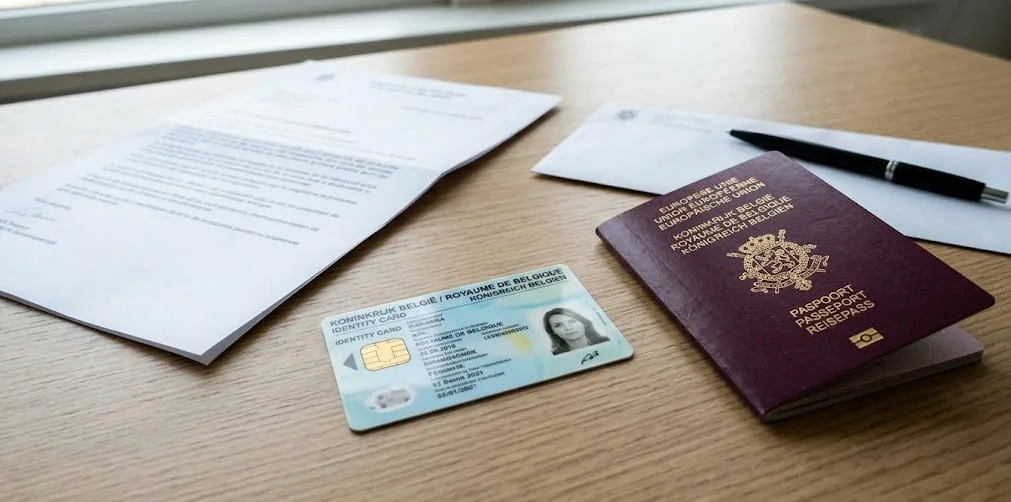
Planning to visit, work, or live in Belgium? This comprehensive guide covers every Belgian visa type — from short-stay Schengen visas for tourism and business to long-stay D visas for employment, self-employment, study, and family reunification. Belgium is a Schengen Area member, meaning your Belgian visa gives you access to 27 European countries. For detailed information on long-term stays, see our Belgian residence permit guide.
Whether you need a visa depends on your nationality and the purpose/duration of your stay:
Check your visa requirements on the Belgian Ministry of Foreign Affairs website.
| Visa | Duration | Purpose | Fee | Processing |
|---|---|---|---|---|
| C Visa (Schengen) | Up to 90 days | Tourism, business, conference, medical | €80 | 15 days |
| D Visa — Work | >90 days | Employment (single permit) | ~€180 | 2–4 weeks* |
| D Visa — Self-Employed | >90 days | Professional card | ~€180 | 2–4 weeks* |
| D Visa — Student | >90 days | Full-time study | ~€180 | 2–6 weeks |
| D Visa — Family | >90 days | Family reunification | ~€180 | 4–9 months |
| D Visa — Investor | >90 days | Business investment | ~€180 | 2–4 weeks* |
| D Visa — Researcher | >90 days | Scientific research | ~€180 | 2–4 weeks |
*D visa processing starts after the underlying permit (work permit, professional card) is approved, which adds 1–6 months.
The Schengen C visa allows stays of up to 90 days within any 180-day period across all Schengen countries. It is the most common visa for tourists and business visitors.
Fee: €80 (adults), €40 (children 6–12), free (children under 6).
Processing: 15 calendar days from submission. Up to 45 days for complex cases.
Where to apply: Belgian embassy/consulate in your country of residence, or authorised visa centre (VFS Global/TLS Contact).
A D visa is required for any stay in Belgium exceeding 90 days. The D visa is always linked to a specific purpose — you must first obtain the underlying authorisation before applying.
For non-EU employees with an approved single permit or work permit. The employer files the permit application; once approved, the employee applies for a D visa. Upon arrival, register at the commune to receive your residence card (A card).
For non-EU entrepreneurs and freelancers with an approved professional card. Covers company directors, investors, and freelancers. Professional card application → approval → D visa → commune registration → A card.
For non-EU students enrolled full-time at a recognised Belgian institution. Requirements: enrollment letter, proof of financial means (min. ~€730/month), health insurance, clean criminal record. Students can work part-time (20 hrs/week during term). Duration: academic year, renewable.
For family members (spouse/partner, children under 18) of someone legally residing in Belgium. Sponsor must meet income (min. ~€2,048/month net), housing, and insurance requirements. Processing: 4–9 months through the Immigration Office (DVZ/OE).
For detailed document requirements, see our residence permit requirements page.
Citizens of these countries can enter Belgium without a visa for up to 90 days: United States, United Kingdom, Canada, Australia, New Zealand, Japan, South Korea, Israel, Brazil, Argentina, Chile, Mexico, UAE, and approximately 50 other countries. Check the full list on the Belgian MFA website.
Even visa-exempt citizens need a D visa if staying longer than 90 days or if working/studying in Belgium. Visa exemption only covers short-stay tourism/business visits.
For a complete overview of all Belgium visa types, see our dedicated service page.